
A confident, radiant smile is often one of the first things people notice during an introduction. Beyond the social advantages, maintaining optimal oral health directly contributes to your overall well-being. When individuals seek to enhance their appearance or address long-standing functional concerns, they often turn to cosmetic dentistry in San Francisco. Whether you are looking to brighten your enamel, reshape a tooth, or explore restorative options, understanding the scope of current procedures is the first step toward achieving your goals.
Common Approaches for Enhancing Tooth Appearance
Advancements in dental materials have made it easier than ever to achieve natural-looking results. Modern procedures prioritize both the aesthetic outcome and the long-term integrity of the tooth structure.
Porcelain Veneers and Bonding
For those looking to conceal chips, stains, or slight misalignments, veneers are a popular choice. These thin, custom-crafted shells adhere to the front surface of the tooth, effectively masking imperfections. Similarly, composite bonding involves the application of a tooth-colored resin that is sculpted and hardened to improve the shape or color of a tooth. Both methods are minimally invasive and can significantly alter the harmony of a smile.
Read More: Best Synthetic Bone Graft UK 2026: Top Products Dental Practices Are Buying Now
Professional Whitening Solutions
While over-the-counter kits are widely available, professional whitening remains the gold standard for predictable results. By using higher concentrations of bleaching agents applied under controlled conditions, practitioners can safely lift deep-seated discoloration from coffee, tea, or aging. This remains a highly requested service for those seeking a quick but impactful change to their facial aesthetics.
Restoring Functionality and Structure
When a tooth is missing or severely compromised, the primary focus shifts from surface aesthetics to structural restoration. Replacing lost teeth is essential not only for chewing efficiency but also for preventing the bone loss that inevitably follows an extraction.
Dental Implants in San Francisco
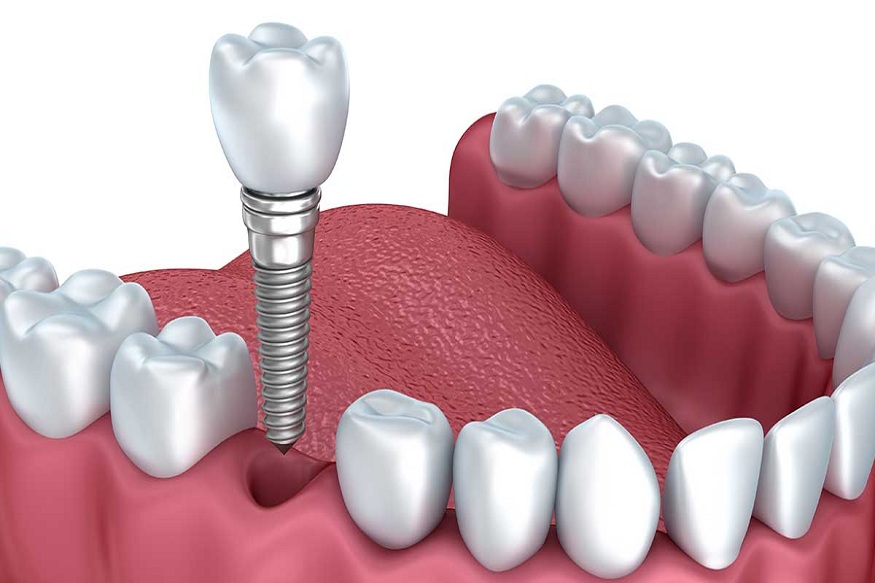
For patients seeking a permanent replacement for a missing tooth, dental implants in San Francisco are considered the most advanced solution available today. An implant functions as an artificial root, typically crafted from medical-grade titanium, which integrates with the jawbone. Once the integration process is complete, a crown is attached to the post, creating a prosthetic that mimics the look and feel of a natural tooth.
Because they reside within the bone, these replacements provide the necessary stimulation to maintain jaw density. This is a critical factor for long-term oral health, as it helps preserve the alignment of adjacent teeth and supports the facial muscles that can sag if structural support is lost.
Crowns and Bridges
When a tooth is cracked or decayed, a crown acts as a protective cap that restores both strength and contour. In cases where multiple teeth are missing, a bridge may be utilized to fill the gap. By anchoring to the neighboring healthy teeth, a bridge restores the ability to bite and chew effectively, ensuring that pressure is distributed evenly across the arch.
The Role of Daily Maintenance in Oral Longevity
Even the most sophisticated dental work requires a foundation of rigorous daily care to last. Integrating healthy habits into your lifestyle is the most effective way to protect your investment in your smile.
The Impact of Nutrition on Enamel Health
Diet plays a significant role in the health of your teeth and gums. Foods that are high in refined sugars and acidic content can weaken enamel over time, creating an environment where bacteria thrive. Focusing on fiber-rich vegetables, calcium-heavy dairy, and lean proteins helps maintain the pH balance of the mouth. Crisp fruits like apples can even act as a natural abrasive, helping to clear away surface debris between brushing sessions.
Equally important is hydration. Water serves as a primary rinsing agent, diluting the acids that remain after meals. For those who frequently consume coffee or red wine, rinsing with plain water after consumption can help prevent long-term staining and enamel erosion.
Physical Habits and Muscle Function
Jaw health is closely linked to the way we manage stress. Many people subconsciously clench or grind their teeth during sleep or periods of intense concentration. This repetitive force can lead to micro-fractures in the enamel and excessive wear on the biting surfaces. Awareness of these habits is crucial; if you notice jaw tension or headaches upon waking, it may be beneficial to discuss the use of a protective guard with your provider to mitigate the force applied to your teeth.
Selecting the Right Approach for Your Needs
Navigating the various options for improving your smile can feel overwhelming. The key is to prioritize a comprehensive evaluation that considers the current state of your bite, the health of your gums, and your long-term aesthetic preferences.
Why Context Matters
Not every procedure is suitable for every person. For instance, while veneers might offer a quick aesthetic fix for some, a patient with significant grinding habits might require a more durable restorative solution to prevent the veneer from fracturing. A thorough review of your oral history—including any past hardware or sensitivity issues—ensures that the path chosen is both safe and sustainable.
Regional Considerations for Dental Care
Residents of the Bay Area have access to some of the most technologically advanced facilities in the country. When researching providers for dental implants in San Francisco, look for those who utilize digital imaging and precision diagnostics. High-resolution scans allow for the mapping of the jawbone and nerve pathways, which is essential for placing implants with accuracy. Furthermore, local practices that prioritize clear communication and educational transparency tend to foster better long-term outcomes, as patients are more likely to remain consistent with their maintenance routines when they fully understand the underlying mechanics of their care.
Read More: Porcelain Veneers Centennial Hills: Transforming Smiles with Modern Cosmetic Dentistry
Establishing a Consistent Routine
Consistency is the ultimate driver of dental health. Regardless of the work performed, the health of your teeth depends on the following daily practices:
- Mechanical Cleaning: Use soft-bristled brushes to avoid abrading the gum tissue. Ensure that you are cleaning at the gum line, where plaque is most likely to accumulate.
- Interdental Care: Flossing or using interdental brushes removes debris from areas that a toothbrush cannot reach. This is the most effective way to prevent gum inflammation between teeth.
- Routine Assessment: Regular visits—typically every six months—allow for the early detection of issues that are not yet visible to the naked eye. By addressing small concerns, such as minor plaque buildup or early signs of wear, you avoid the need for more complex interventions down the road.
A Lasting Investment
Choosing to improve your oral health is an investment in your future. Whether you choose cosmetic dentistry in San Francisco to refine your smile or rely on dental implants in San Francisco to restore full function, the goal remains the same: a healthy, resilient mouth that supports your overall quality of life. By focusing on smart nutritional choices, maintaining a proactive approach to hygiene, and working with skilled professionals who prioritize your long-term structural health, you can ensure that your smile remains vibrant and functional for decades to come.
The standard for modern dental care is one of preservation and precision. As you explore your options, remember that the best result is one that feels natural, works seamlessly, and gives you the confidence to share your smile with the world. Take the time to ask questions, understand the materials being proposed, and commit to the daily habits that protect your dental work. In the end, a healthy smile is a reflection of the care you invest in yourself every single day.
You may also like
-
Why Choosing A Dental Clinic in Freeport Can Make Long-Term Dental Care Easier
-
Best Synthetic Bone Graft UK 2026: Top Products Dental Practices Are Buying Now
-
Porcelain Veneers Centennial Hills: Transforming Smiles with Modern Cosmetic Dentistry
-
How to Find a Top-Rated Dentist Near You
-
Raising Cavity-Free Kids: A Parent’s Guide to Children’s Dental Health