
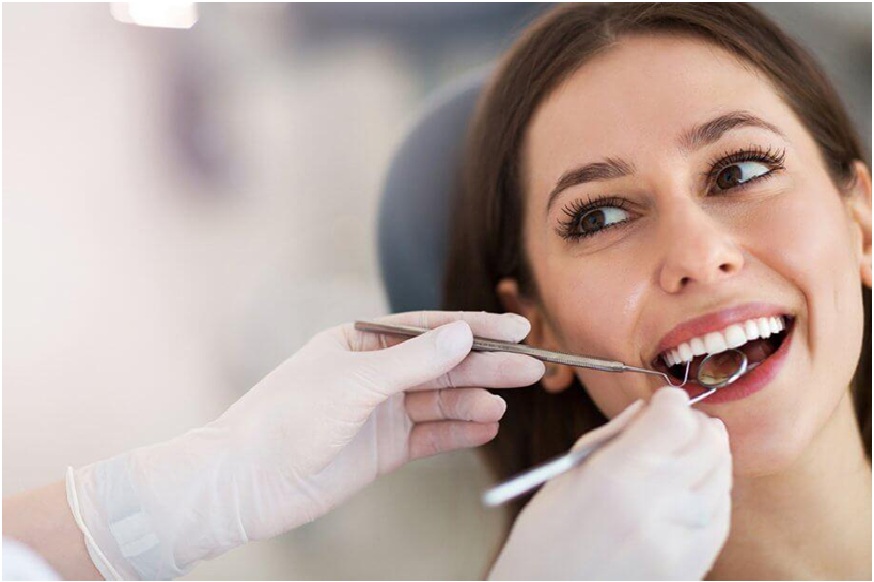
Long-term dental care is rarely won with one “perfect” appointment. It’s built in the boring places: the cleanings that happen on schedule, the small repairs finished before they turn into weekend emergencies, and the conversations that make decisions feel clear. For most people, the hardest part isn’t the dentistry. It’s the friction: traffic, timing, and the mental load of squeezing health into an already full week.
Choosing a nearby clinic in Freeport can take a surprising amount of that friction off the table. When the office is easy to reach and the experience is predictable, patients stay consistent. Their team learns what a patient is sensitive to, what they’re trying to improve, and how they prefer things explained. Over time, that continuity means healthier gums, fewer surprises, and fewer “we should’ve come sooner” moments.
Dental Clinic Access That Keeps Visits on Track
At the dental clinic in Freeport that habit was made tangible. They made it easier to keep the habit that does most of the heavy lifting: showing up twice a year, even when life is loud. Shorter travel time means fewer cancellations and fewer late arrivals, and it means there is less temptation to “just push it to next month”. Patients walk in calmer, and appointments run more smoothly. Visiting the dentist no longer feels like a whole-day project for the busy household.
Convenience matters even more when something feels off. A rough edge, a sore gum spot, or a tooth that suddenly reacts to cold can be checked quickly when the office is close. That early check often prevents the slide from “minor annoyance” to “can’t sleep, need an urgent visit.” Quick access also helps patients complete follow-ups on time, instead of letting treatment stall for months and snowball into bigger repairs.
Continuity That Builds Trust Over Time
Dental care gets simpler when patients don’t have to restart the story every visit. With consistent providers, the team remembers past treatment, sensitivity triggers, and what’s been watched over time. That familiarity saves minutes, but it also improves decisions. Trends, like recurring decay in one area, early gum recession, or bite wear, are easier to spot when the baseline is clear, the record is cohesive, and the clinician can respond without overreacting.
Trust grows when recommendations stay steady and transparent. A good clinic explains what needs attention now, what can wait, and what can be staged without creating risk. They show images when helpful, answer questions directly, and avoid pressure. Patients follow through more often when the “why” is obvious and the plan feels reasonable. Over the years, that trust has become the reason families keep appointments. It feels supportive, not salesy, for most people.
Dentist Backed Prevention That Keeps Problems Smaller
Working with the best dentist in Freeport NY feels easier when prevention is treated like a practical plan, not a guilt trip. The best preventive care starts with risk: where plaque tends to build, whether gums are inflamed, and which habits actually happen on a normal weekday. When patients understand their own patterns, they stop guessing. They know what to focus on at home, what is urgent, and why consistency matters.
Prevention also changes with the seasons of life. A college student may need simple routines that travel well. A parent may need strategies that survive rushed mornings. Someone with sensitivity may need gentler techniques and product guidance. A thoughtful team adjusts cleaning frequency, home tools, and reminders so the plan is doable. When recommendations match reality, patients stick with them, feel less judged, and motivation doesn’t burn out as quickly, year after year.
One Clinic for Changing Needs

A dental clinic in Freeport can be a long-term anchor because needs rarely stay the same. Kids move from basic cavity prevention to orthodontic coordination and sports mouth-guards. Adults shift from maintenance to repairs like old fillings, cracked edges, or bite wear from grinding. As people age, dry mouth and gum recession may need closer attention. When one clinic guides those shifts, patients spend less time searching and more time staying consistent.
It also helps when a team thinks ahead instead of treating every visit like an isolated event. If a patient needs a crown, for example, there’s often an order: stabilize gums, control decay, review bite forces, then restore. When sequencing is explained early, decisions feel calmer. Patients can plan time and budget around real life, rather than making choices in a rushed moment. Fewer surprise steps usually mean less stress overall.
Records and Planning That Reduce Friction
Another way a dentist in Freeport, NY, makes it easy to get care in the future is by keeping clean records. Clear notes, images, and timelines make sure nothing is done twice, and context is preserved on every patient trip. While a patient’s insurance plan or treatment can always change, one thing that should remain consistent is the structure of the dental visits. It not only saves patients time that would have been spent re-explaining, but it also allows patients to get informed faster.
Planning also cuts back on “dental fatigue.” When the work is properly organized into stages: background work, treatment, and finishing touches, the appointments feel productive. The patients know what is coming up and why, which reduces their nervousness. The wallets are also protected, as the sequence is clear, not something to be estimated. When a practice provides honest approximations and schedules, people are less likely to quit halfway and return later with a big problem. A good plan goes a long way for working people.
Comfort, Scheduling, and Clear Decisions
Comfort isn’t only about pain control. It includes pacing, explanation, and the freedom to pause. When a team checks in, explains what they’re doing, and makes room for questions, patients feel in control. That matters for kids and adults alike, especially anyone who has avoided dentistry because prior visits felt rushed or dismissive. Comfort, done well, is a systems choice: how the appointment is run, not a slogan on a website.
Scheduling and visibility complete the formula. Advance choices, family visits linked together, and reliable estimations of time all lower no-shows. Clear fees and straightforward priorities all lower the ambiguity that stops consumers from acting. Even having a schedule written down, and in simple language telling patients “after this we will do this, and it will cost this,” is a start.
Conclusion
Choosing the right clinic in Freeport can make long-term dental care feel less like a series of interruptions and more like steady maintenance. Convenience supports consistency, prevention lowers risk, and clear planning reduces surprises. Over time, that approach leads to fewer emergencies and simpler decisions because patients understand what’s happening and what comes next.
Iconic Smiles Dental Boutique offers an experience built around planning and patient-centered communication for patients who want a modern, comfort-first approach to long-term care. Their team emphasizes consistent prevention, clear explanations, and practical sequencing, so patients can move through care with less friction and more confidence.
Frequently Asked Questions
Question: How often should cleanings be scheduled?
Answer: Many patients do well with cleanings every six months, but gum health and cavity risk can change that. Periodontal concerns may require more frequent maintenance, while lower-risk patients can stay stable on a standard rhythm. A dentist can confirm the right interval after reviewing history and findings.
Question: What should a patient bring to the first visit?
Answer: Bring insurance details, a medication list, and a note about sensitivities or past dental issues. If recent X-rays or records exist, sharing them can reduce repeat work and speed planning. Mention schedule constraints so visits can be structured realistically.
Question: Why do small dental issues get worse over time?
Answer: Decay and gum inflammation often progress quietly. A small cavity can deepen, and mild bleeding can develop into periodontal problems. Early visits usually mean simpler treatment and fewer surprises. Consistent prevention is typically easier and cheaper than delayed repairs.
Question: How can parents ease a child’s anxiety at the dentist?
Answer: Predictability helps. Schedule at calmer times, use simple explanations, and choose a patient team. Many kids relax when the dentist shows tools briefly and explains each step. Short, positive visits build trust for next time.
Question: How can families plan for dental costs long-term?
Answer: Start with prevention, then ask for a staged sequence if treatment is needed. Address urgent items first and schedule elective work later. Clear estimates and realistic timelines make budgeting far easier.
You may also like
-
Improving Your Smile: What to Know About Cosmetic Dentistry in San Francisco
-
Best Synthetic Bone Graft UK 2026: Top Products Dental Practices Are Buying Now
-
Porcelain Veneers Centennial Hills: Transforming Smiles with Modern Cosmetic Dentistry
-
How to Find a Top-Rated Dentist Near You
-
Raising Cavity-Free Kids: A Parent’s Guide to Children’s Dental Health